How to Find a Trusted Bicycle Accident Lawyer in Denver
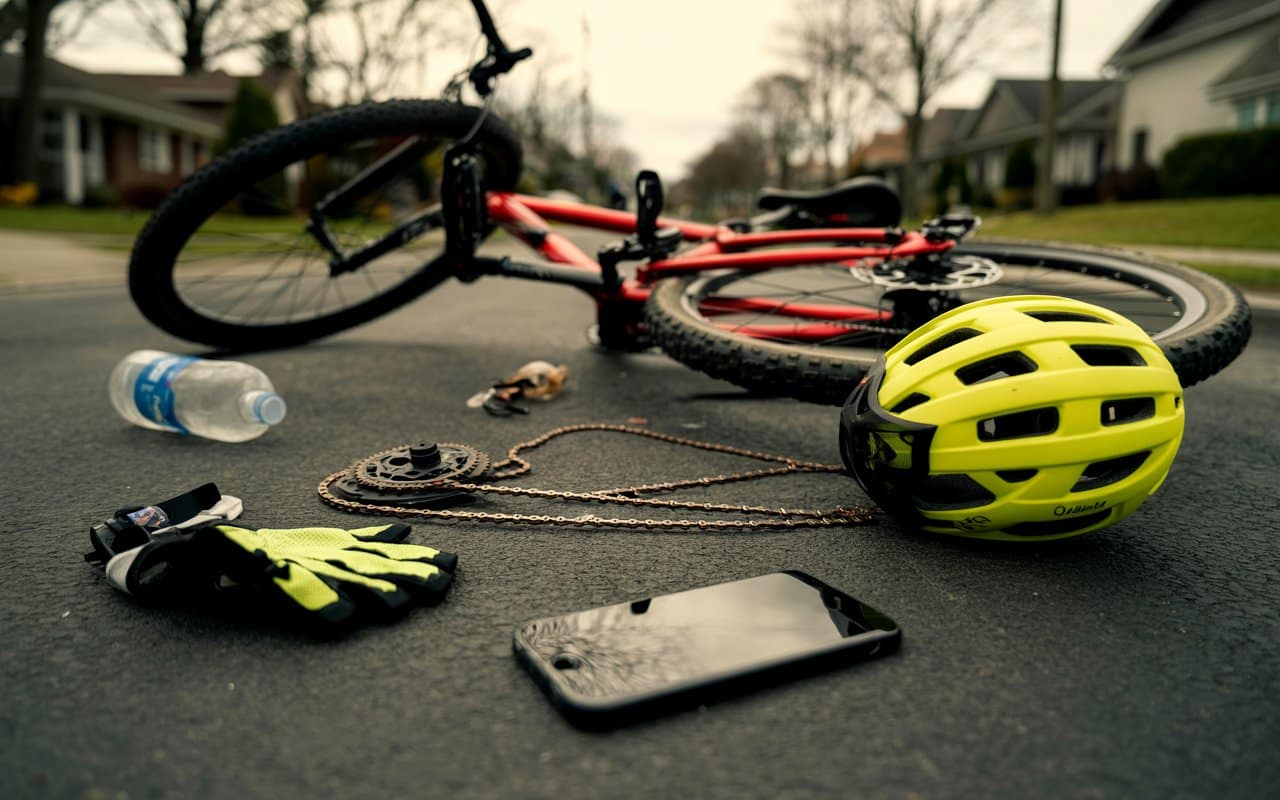
Denver is a good city for riding, at least in theory. There are protected lanes in some corridors, popular commuter routes, and a culture that generally respects bikes more than many western cities. But after a crash, that bike friendly image fades fast. What matters then is not the city’s branding, but what actually happened at the intersection, on the shoulder, in the door zone, or in the split second when a driver turned across a rider’s path.
Finding the right lawyer after a bicycle collision is not the same as finding a general personal injury attorney. A bike case carries its own mechanics, its own prejudices, and its own evidence. Road rash may look minor until it scars. A “low speed” impact can still mean a broken collarbone, a concussion, or months off the bike. Drivers often claim they “just didn’t see” the cyclist, and insurers still sometimes treat that as if it softens responsibility.
If you are looking for a Bicycle Accident Lawyer Denver riders can actually trust, you need more than a polished website and a promise to fight for you. You need someone who understands bike crashes in practical detail, knows Colorado injury law, communicates clearly, and has the discipline to build a case the right way from day one.
Why bike cases are different from ordinary car crash claims
A bicycle accident is often dismissed by insurers as a small impact case. That is one of the first traps. Property damage may be limited compared with a two-car collision, but the human body takes the full force. A rider can absorb impact through the shoulder, hip, wrist, or head, then suffer weeks later from symptoms that do not show up on the first emergency room visit. Neck pain, visual changes, sleep disruption, post-concussion headaches, and nerve symptoms frequently unfold over time.
There is also the issue of bias. Some adjusters, and some jurors, begin with assumptions. They may think cyclists run lights, weave unpredictably, or choose risk. A trusted lawyer knows this bias exists and knows how to counter it with evidence rather than indignation. That means scene photos, bike damage analysis, helmet damage, event timelines, witness statements, body camera footage, traffic engineering details, and medical records that explain why a rider’s injuries matter in daily life.
Denver adds another layer. The city includes downtown corridors, neighborhood streets, mountain-adjacent recreational routes, and roads where bikes and cars interact very differently. A lawyer who has handled cases in the metro area may recognize recurring problem spots, understand local law enforcement reporting habits, and know how weather, lane design, and visibility become part of the liability story.
Trust starts with fit, not advertising
Some of the best lawyers have modest marketing. Some heavily advertised firms do excellent work. The point is not to judge based on volume of billboards or internet ads. The point is to ask whether the attorney you speak with is actually suited to your case.
A trusted lawyer usually gives off a few clear signals early. They listen closely before giving opinions. They ask detailed questions about where the crash happened, what direction traffic was moving, where the bike landed, what treatment you received, and whether there were witnesses or camera footage. They do not promise a dollar amount in the first conversation. They also do not rush past awkward facts, such as partial lane positioning, unclear lighting, or whether the rider had consumed alcohol. Good lawyers want the whole picture, especially the parts that make the case harder.
That kind of candor matters. A lawyer who only tells you what you want to hear is dangerous. A lawyer who says, “Here is the strong part of your case, here is the weak part, and here is how we deal with both,” is far more valuable.
What a strong Denver bicycle accident lawyer should understand
Bicycle injury claims often turn on facts that would barely matter in other cases. Was there a dedicated lane, and if so, was it obstructed? Did the rider take the lane for safety? Was the driver making a right hook or left cross movement? Was there a parked vehicle door involved? Did poor pavement, construction, or drainage create a hazard? Was the cyclist visible under the conditions at the time?
A lawyer does not need to be a competitive cyclist to handle these questions well, but practical familiarity helps. I have seen attorneys overlook issues that experienced riders immediately notice, such as how debris pushes bikes away from the curb, why a cyclist may move laterally before a turn lane, or why a head check can briefly alter a rider’s line. Those details can make the rider’s behavior look sensible rather than erratic.
The attorney should also understand damages beyond hospital bills. Bike crashes often disrupt income in less obvious ways. A contractor may lose physically demanding jobs. A nurse may be unable to stand for long shifts. A software worker may return to the office but struggle with screen time after a concussion. A recreational rider training for an event may not have a wage loss tied to the sport, but may still have real pain, psychological distress, and a meaningful loss of quality of life. Skilled lawyers know how to document those losses without exaggeration.
Local knowledge matters more than many people realize
A lawyer based in Colorado, and ideally familiar with Denver, can often move faster on the practical side of a case. They may know how to obtain certain records efficiently, what local providers document well, how nearby insurers tend to evaluate claims, and when a site inspection is worth the effort.
Denver cases can involve city streets, suburban roads, state highways, trails, or construction zones managed by different entities. The liable party is not always just the driver. Sometimes there are questions about a rideshare company, a delivery employer, a road contractor, or a public agency responsible for maintenance or design. Those issues require judgment. Bringing in every possible defendant can make a case messy and slow. Ignoring a valid target can leave money on the table. A good attorney will explain that balance in plain terms.
Another local consideration is seasonality. A winter or shoulder season crash may raise questions about snowpack, sanding, visibility, or whether bike infrastructure was reasonably maintained. Summer cases can involve heavier tourist traffic, construction detours, and more crowded mixed-use areas. A lawyer who has actually worked through those patterns usually asks sharper questions.
The first consultation should feel specific
The consultation is not just for the attorney to evaluate your case. It is your chance to evaluate how they think. Many people focus on whether the lawyer seems confident. Confidence is easy to perform. Specificity is harder to fake.
Pay attention to whether the attorney asks for the right details and whether their follow-up questions become more precise as the conversation develops. If you mention a crash at an intersection, do they ask about the signal phase, lane position, or whether there was a protected bike lane? If you mention shoulder pain, do they ask whether imaging has been done, whether sleep is affected, or whether you can lift overhead? If you say the driver’s insurer already called, do they warn you about recorded statements and early low offers?
The right conversation usually leaves you feeling informed, not dazzled. You should have a better sense of the process, the likely pressure points in the case, and the next few practical steps.
Questions worth asking before you sign
You do not need to interrogate a lawyer like a hostile witness, but a few direct questions can save a lot of trouble later.
- How many bicycle accident cases have you handled, and how recently?
- Will you personally manage my case, or will most communication go through staff?
- What problems do you see in my case right now?
- How do you usually handle medical records, negotiation, and, if needed, filing suit?
- How are fees and case costs explained if the case settles, or if it does not?
Those questions reveal both experience and temperament. A solid lawyer can answer them without defensiveness. If the attorney becomes evasive, vague, or irritated by reasonable questions, that is useful information.
Experience is not just years in practice
A https://israeldvgo669.novacrestiq.com/posts/denver-bicycle-accident-lawyer-tips-for-handling-adjuster-calls lawyer can have twenty years in personal injury work and still have shallow experience with bicycle collisions. Another may have fewer years overall but a stronger track record in bike cases, catastrophic injury matters, or litigation against stubborn carriers.
What you want is relevant experience. Ask whether they have handled dooring claims, intersection turn collisions, hit and runs involving cyclists, crashes with commercial vehicles, and cases where liability was disputed. A lawyer who has seen these patterns before is less likely to miss an evidentiary opportunity.
There is also a difference between settlement experience and trial readiness. Most injury cases settle, but insurers pay better when they believe the lawyer can prepare a case for court. That does not mean every case should be filed immediately. It means the attorney should know when negotiation has reached its limit and should not be afraid of the next step.
One practical sign of competence is whether the lawyer talks about timing in a realistic way. Bike injury claims can look simple at first and then take months to value properly because treatment is ongoing. A rushed settlement often benefits the insurer, not the injured rider.
Watch how the firm handles the human side
People often underestimate how much case satisfaction comes down to communication. After a crash, clients are dealing with pain, bike replacement, transportation problems, missed work, and the low-grade anxiety that comes from waiting on test results or insurer responses. A technically skilled attorney who never returns calls can be miserable to work with.
A trustworthy firm sets expectations. They tell you who your point of contact will be, how often you can expect updates, and what they need from you. They do not disappear for months and then reappear asking for signatures. They explain why certain delays happen, such as waiting for complete medical records or finishing treatment before presenting a demand.
This is especially important in concussion cases. Riders with cognitive fatigue or memory issues often need communication that is clear, paced, and documented. Firms that understand this make life easier. Firms that do not can turn a difficult recovery into an administrative mess.
Red flags that deserve real weight
Charm can hide weak case management. So can a sleek intake process. If any of the following show up early, take them seriously.
- Guaranteed outcomes or fast settlement promises before records are reviewed
- Pressure to sign immediately without clear fee and cost explanations
- No meaningful discussion of bike specific liability issues
- Difficulty reaching anyone after the initial sales call
- Dismissive attitudes about concussions, soft tissue injuries, or emotional distress
One red flag does not always mean the lawyer is wrong for every client, but multiple red flags usually point to a firm that runs on volume rather than careful advocacy.
Fees, costs, and what contingency really means
Most bicycle accident lawyers work on contingency, which means the fee is typically a percentage of the recovery rather than an hourly charge. That arrangement helps injured people get representation without paying upfront legal fees. Even so, the details matter.
Ask how case costs are handled. Costs can include medical record retrieval, filing fees, expert review, deposition expenses, and investigator work. In a straightforward claim that settles early, those costs may be modest. In a disputed or litigated case, they can grow. You should understand whether costs are deducted before or after the attorney fee is calculated and what happens if there is no recovery.
A careful lawyer will not resent these questions. They should want you to understand the agreement. Confusion over money is one of the most common causes of client frustration, and it is almost always preventable with clear discussion at the start.
Case value talk should be measured, not flashy
People naturally want to know what their case is worth. The honest answer early on is often, “It depends.” That is not evasive. It is responsible. The value of a bicycle injury claim depends on liability strength, medical treatment, lasting impairment, wage loss, credibility, available insurance, and whether there are unusual aggravating factors.
A lawyer who instantly quotes a large number may simply be trying to sign you. A more trustworthy attorney usually talks in terms of ranges, conditions, and milestones. They may explain that a case with a clean liability picture and a surgically repaired fracture can be valued more confidently than a case with disputed fault and ongoing concussion symptoms that have not fully stabilized. They may also explain the practical limit imposed by insurance coverage, which can matter a great deal even in serious injury cases.
That kind of honesty may feel less exciting in the moment, but it is usually a sign you are dealing with an adult professional rather than a salesperson.
Reviews help, but context matters
Online reviews can be useful, especially if they repeatedly mention responsiveness, clarity, and strong outcomes in difficult cases. But reviews are only one piece of the picture. Some excellent lawyers have relatively few reviews because they rely on referrals. Some firms collect many glowing reviews from clients whose cases were easy to resolve. Neither fact proves much on its own.
Look for patterns. Do former clients say the lawyer explained things well? Do they mention being treated with respect? Do they describe a smooth process even when the case took time? If every review sounds generic, that is less helpful than a handful of detailed comments that reflect real interactions.
Referrals from bike shop owners, cycling club members, physical therapists, or other lawyers can also be valuable. People in those circles often know which attorneys truly understand rider injuries and which ones simply advertise to cyclists.
Timing can shape the whole case
The best time to speak with a lawyer is usually earlier than people think. That does not mean you need to file a lawsuit the week of the crash. It means early guidance can help preserve evidence and avoid mistakes.
Surveillance footage can disappear. Witness memories fade fast. Damaged gear gets thrown out. Clients give recorded statements they should have declined. They post cheerful photos while trying to feel normal, then watch insurers use those images to minimize injuries. A lawyer brought in early can help prevent these problems.
That said, hiring quickly should not mean hiring blindly. If you are physically able, take a day or two to compare options. A rushed signature with the wrong lawyer creates its own headache.
When a smaller firm may be the better choice
Big firms can have strong resources, but size is not always an advantage in a bicycle case. Sometimes a smaller practice offers closer attorney involvement, better communication, and more tailored strategy. That can be especially useful in moderate injury cases that are too important to the client to be treated like a file number, but not large enough to command top attention at a volume-based firm.
On the other hand, a catastrophic case involving traumatic brain injury, permanent disability, or complex commercial liability may benefit from a firm with deeper litigation infrastructure. The right fit depends on the case. This is where judgment matters more than slogans.
The best choice often feels steady, not dramatic
People often expect the right lawyer to be the one who sounds the most aggressive. Sometimes that is true. More often, the best lawyer sounds prepared, curious, and calm. They know when to push and when to wait. They do not confuse noise with leverage.
After a bicycle crash, especially one that leaves you shaken or injured, it is easy to respond to the first reassuring voice. A better approach is to look for steadiness. Does the attorney understand what happened on the road? Do they understand what is happening in your body? Do they explain the process in a way that reduces confusion rather than adding to it? Do they seem like someone who will still be useful six months from now, after the novelty has worn off and the real work begins?
That is what trust looks like in this setting. Not a dramatic promise. Not a scripted pitch. Just competence, honesty, and follow-through.
If you are searching for a Bicycle Accident Lawyer Denver cyclists can rely on, focus on relevance, communication, and judgment. A trusted lawyer should know bike cases from the ground up, should be direct about strengths and weaknesses, and should treat your claim like a serious legal matter rather than a quick intake opportunity. When those pieces are in place, you are far more likely to end up with representation that helps your case and lowers the stress of an already difficult situation.